
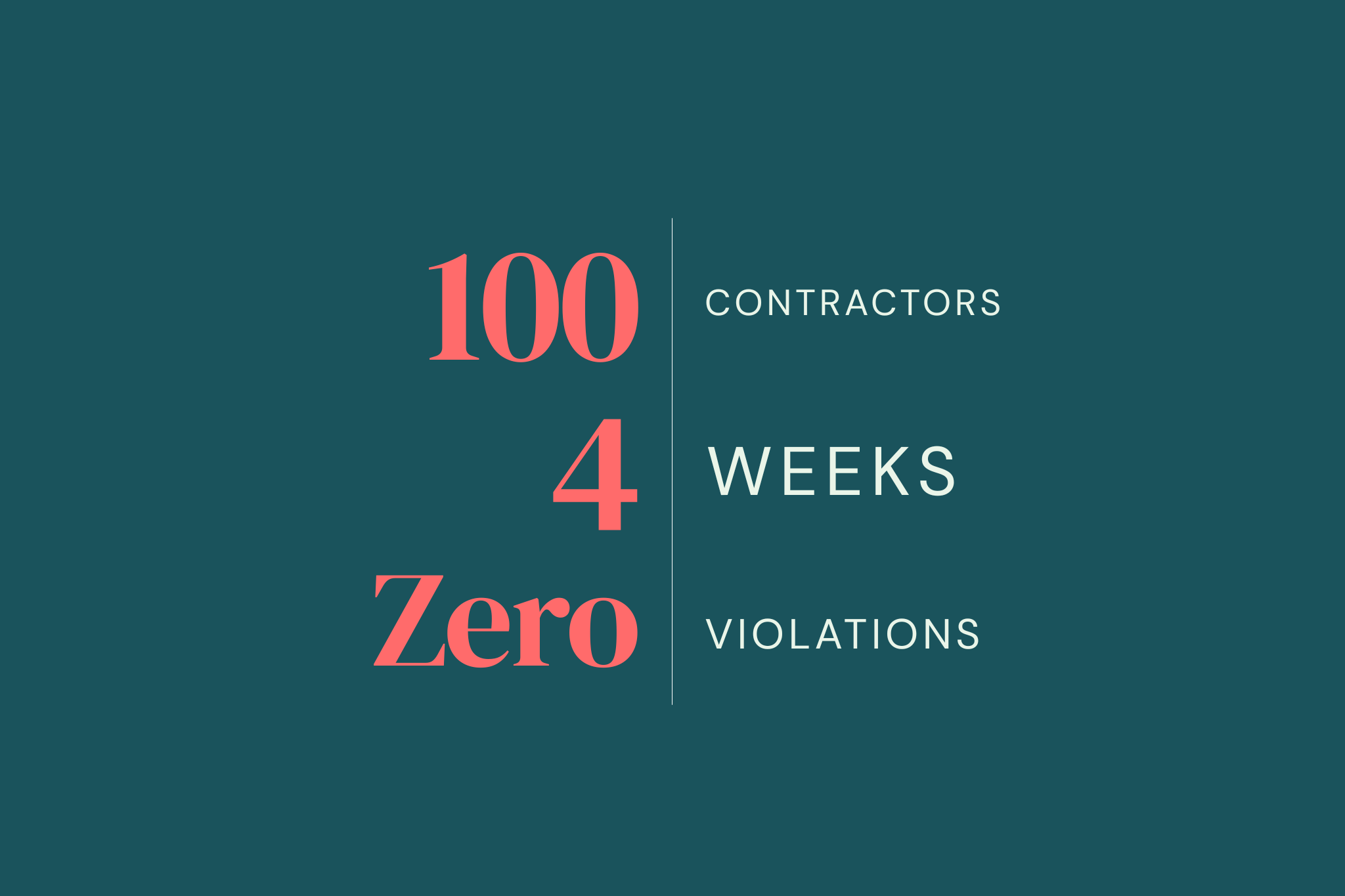
This company had built its workforce on 1099 contractors. It worked for a while. But when California’s AB5 law took effect and worker classification rules tightened, winging it was no longer an option.
The risk was real: misclassification penalties, back taxes, benefits liability, and potential lawsuits. Leadership knew they had to act, but the scope of the problem was overwhelming. Which contractors could stay as-is? Which ones needed to convert to W-2 employees? And what did compliance actually look like under the new rules?
They didn’t have HR expertise in-house to sort through it. And getting it wrong could be expensive.
BloomHR started by assessing every contractor relationship against current classification laws, including AB5 and FLSA requirements. The goal was straightforward: figure out who could legitimately remain a contractor, who needed to convert, and build a compliant path forward for each one.
The reclassification grew the employee count by almost 200% overnight. That’s not a paperwork change. It’s a full operational shift. New payroll structures, benefits, time off policies, manager responsibilities, and entirely different processes for a workforce that had operated as independent contractors.
Reclassifying a worker opens a door most companies don’t see coming. Once someone gets converted from 1099 to W-2, they may wonder if they should have been an employee the whole time, and whether they’re owed back pay, overtime, or benefits. That kind of wage claim can cost more than the misclassification itself.
BloomHR helped the company communicate the change carefully and clearly: under the previous rules, the contractors were accurately classified. When the laws changed, the company acted immediately to reclassify, offer benefits, and make sure everyone was paid appropriately going forward. That framing turned a potential legal exposure into a moment of trust with the workforce.
The company went from a compliance liability to a fully compliant operation, ready to scale. What could have been a legal and financial disaster became a clean foundation for growth.
If you’re relying on 1099 contractors and you’re not 100% sure your classifications hold up, the risk doesn’t go away by ignoring it. Let’s figure out where you stand before someone else does.
Let’s talk. joinbloomhr.com/contact